Fatigue Testing & Evaluation
A Root-Cause Approach to Chronic Low Energy
OUR FATIGUE TESTING PANEL
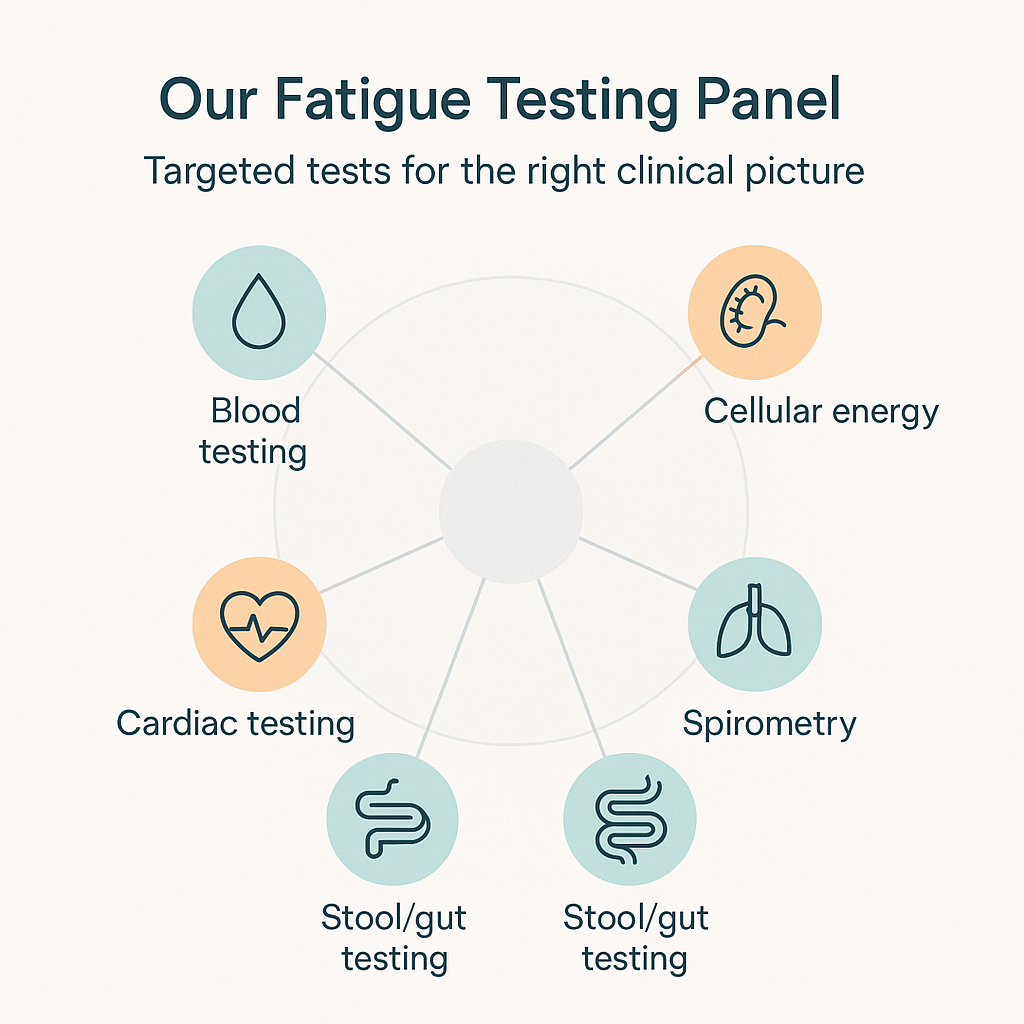
Depending on your individual case, testing may include:
- Blood testing: iron studies, full thyroid panel, Lyme antibody testing, EBV markers
- OAT (Organic Acids Test): evaluates for hypometabolic patterns and mitochondrial function
- Adrenocortex Stress Profile or HU-Map: used for non-menopausal women with hormone or adrenal-related fatigue patterns
- Stool testing: screens for H. pylori and other gut-related contributors
- Spirometry: evaluates lung function and oxygen delivery capacity
- EKG: assesses heart function as a potential contributor to fatigue or low stamina
Not every test is used for every patient. The goal is to use the right tests for the right clinical picture, not to run everything for everyone.
If you have been dealing with persistent fatigue and want to understand why, a structured fatigue evaluation is the most reliable next step. At Wilmington Functional Medicine, we use a targeted combination of clinical assessment and specialized testing to identify the specific imbalances that may be contributing to your low energy — not just rule things out with a basic blood panel.
WHAT WE LOOK FOR
Fatigue can have many different contributors.
Our evaluation process is designed to look at the most clinically relevant possibilities based on your symptoms and history, including:
- Thyroid dysfunction — one of the most common and frequently missed causes of fatigue
- Iron deficiency and anemia — including ferritin, serum iron, and related markers
- Lyme disease — tick-borne illness that can cause prolonged fatigue and immune stress
- Epstein-Barr virus (EBV) — viral burden linked to post-viral fatigue and immune dysregulation
- Cortisol and adrenal patterns — stress-related hormonal contributors to exhaustion
- Hormone imbalances — including contributors relevant to non-menopausal women
- Hypometabolic patterns — cellular energy issues that may not show on standard labs
- Gut health — including H. pylori infection and its effect on nutrient absorption and energy
Blood Testing for Fatigue
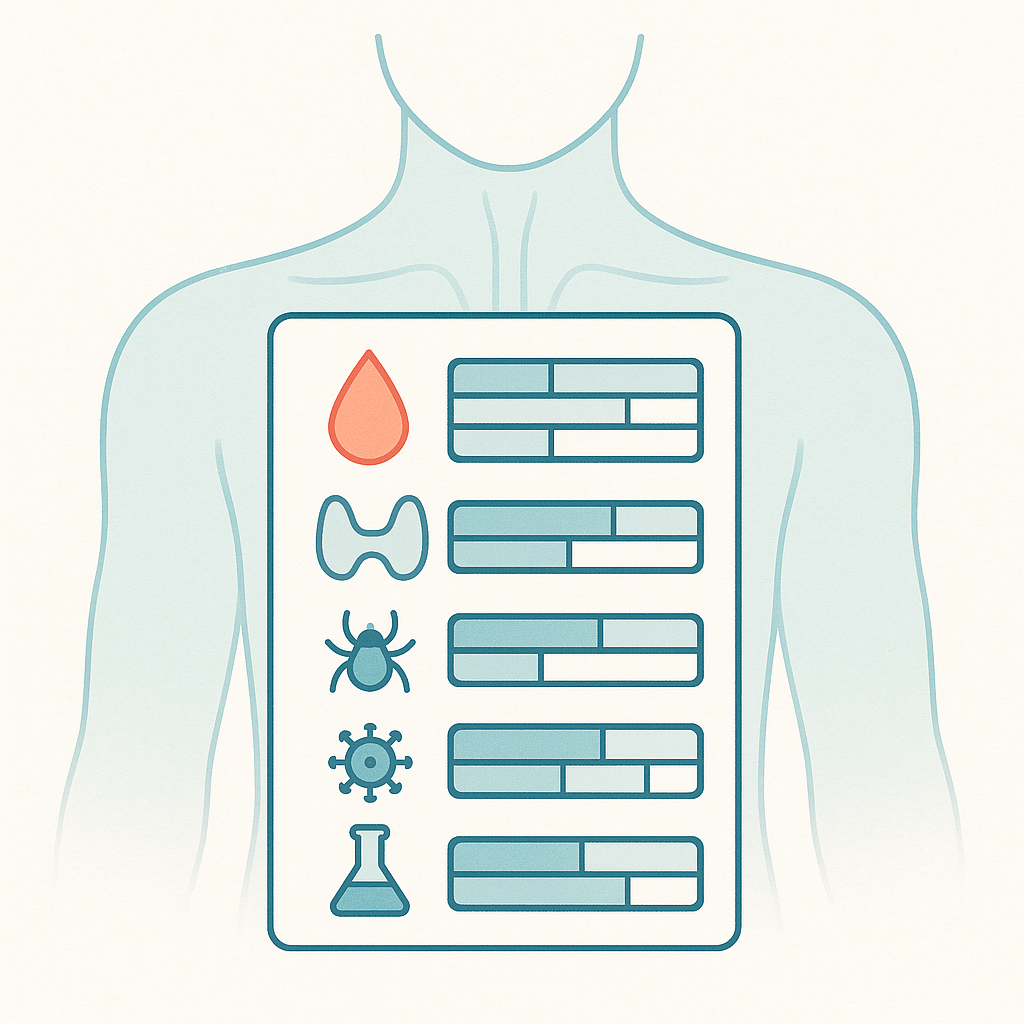
When fatigue doesn’t improve with rest, targeted lab work helps uncover what is being missed in a basic checkup. This focused blood panel looks at core systems that directly impact how your body makes and uses energy.
-
Iron‑related markers (including ferritin and binding capacity measures) to evaluate for iron deficiency and different forms of anemia.
-
A complete thyroid workup, including regulatory hormones and active thyroid hormones, with thyroid antibodies added when clinically appropriate.
-
Immune markers that screen for Lyme and related tick‑borne infections that can drive long‑lasting exhaustion.
-
Epstein–Barr virus indicators that can point to lingering or reactivated viral stress tied to post‑viral fatigue.
-
A complete blood count and key metabolic markers to assess oxygen delivery, inflammation, and overall cellular energy production.
Together, these tests move beyond “everything looks normal” and give a clearer picture of why your energy is low, so your treatment plan can be based on data instead of trial and error.
Organic Acids Test (OAT)
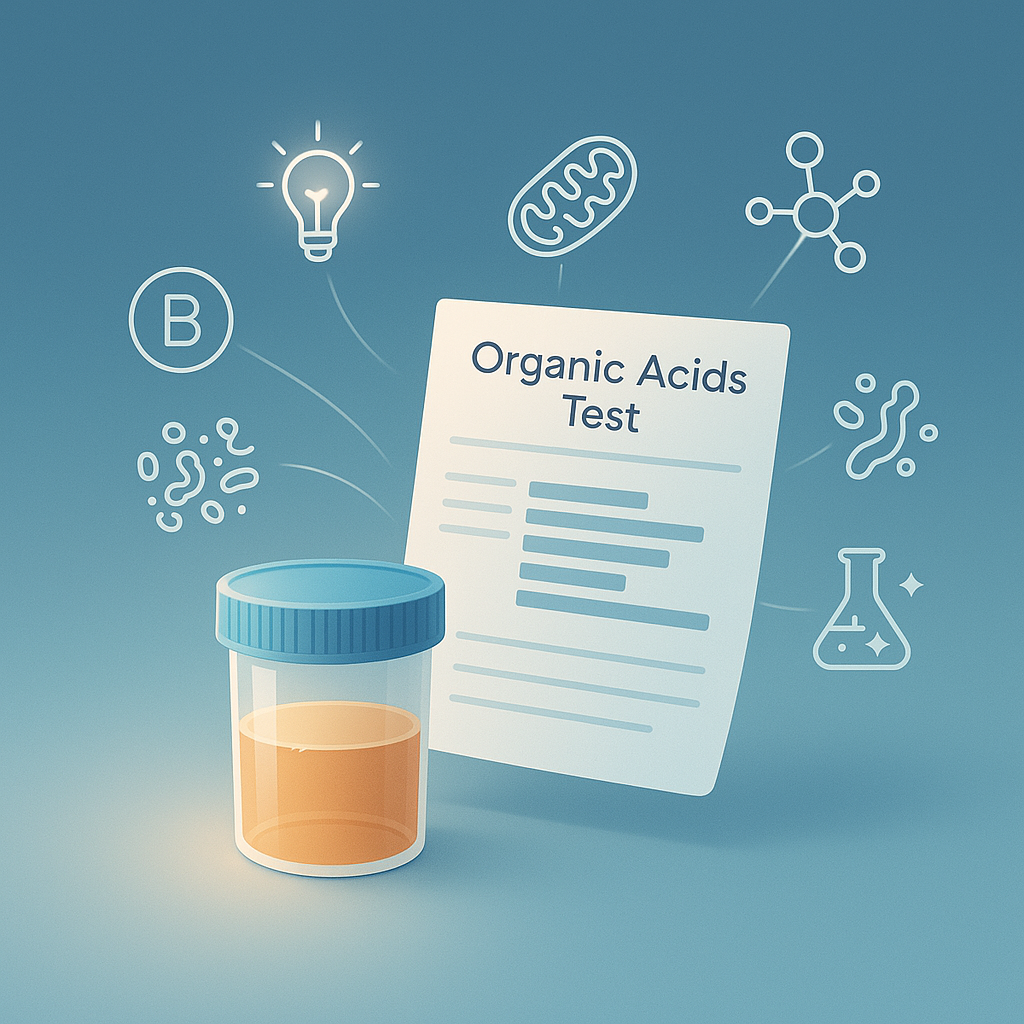
The Organic Acids Test is a urine‑based assessment that looks at how well your cells are actually making and using energy. It helps reveal hidden metabolic slow‑downs that standard blood tests often miss.
-
Reviews key byproducts of cellular energy production to spot sluggish mitochondrial activity.
-
Highlights nutrient gaps, especially B‑vitamin–related issues that can drain energy.
-
Screens for yeast and bacterial overgrowth that may generate inflammatory byproducts and add to fatigue.
-
Assesses markers related to detoxification and oxidative stress that can interfere with stamina and recovery.
-
Helps explain why you may feel “worn out” even when routine labs look normal.
By mapping these metabolic signals, the OAT gives a deeper view of how your system is functioning behind the scenes, guiding more precise, targeted support for low energy.
ADRENOCORTEX STRESS PROFILE OR HU-MAP
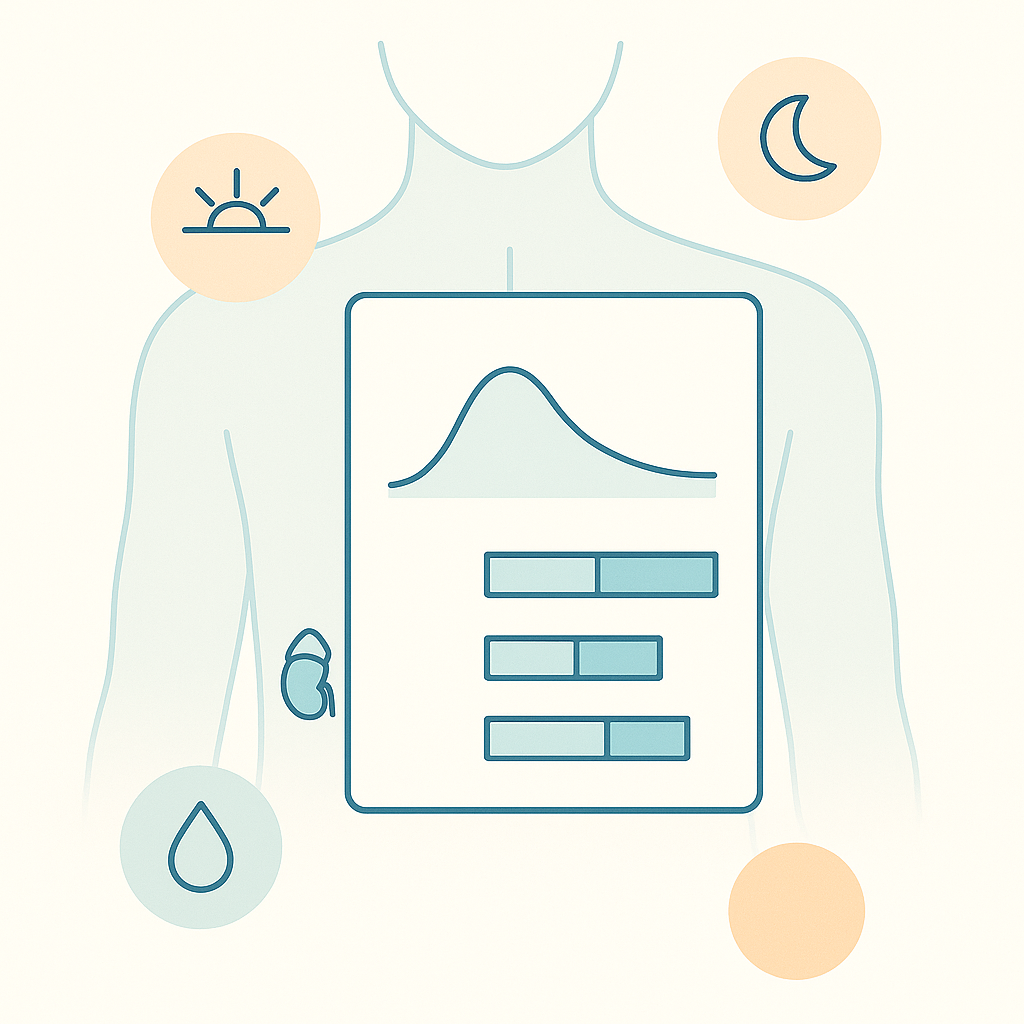
This test is commonly used for non‑menopausal women when fatigue may be tied to stress hormones or hormone imbalance. It looks at how your adrenal system and related hormones are performing over the course of the day.
-
Tracks cortisol levels at multiple points to reveal flat, low, or spiking patterns.
-
Measures overall cortisol output to flag both underactive and overactive adrenal states.
-
Can include key sex hormones and their metabolites when clinically relevant.
-
Links symptoms like afternoon crashes, wired‑but‑tired nights, and poor stress tolerance with measurable hormone findings.
By mapping these patterns, this panel helps determine whether adrenal and hormone dysregulation are playing a central role in your low energy.
Stool & Gut Health Testing
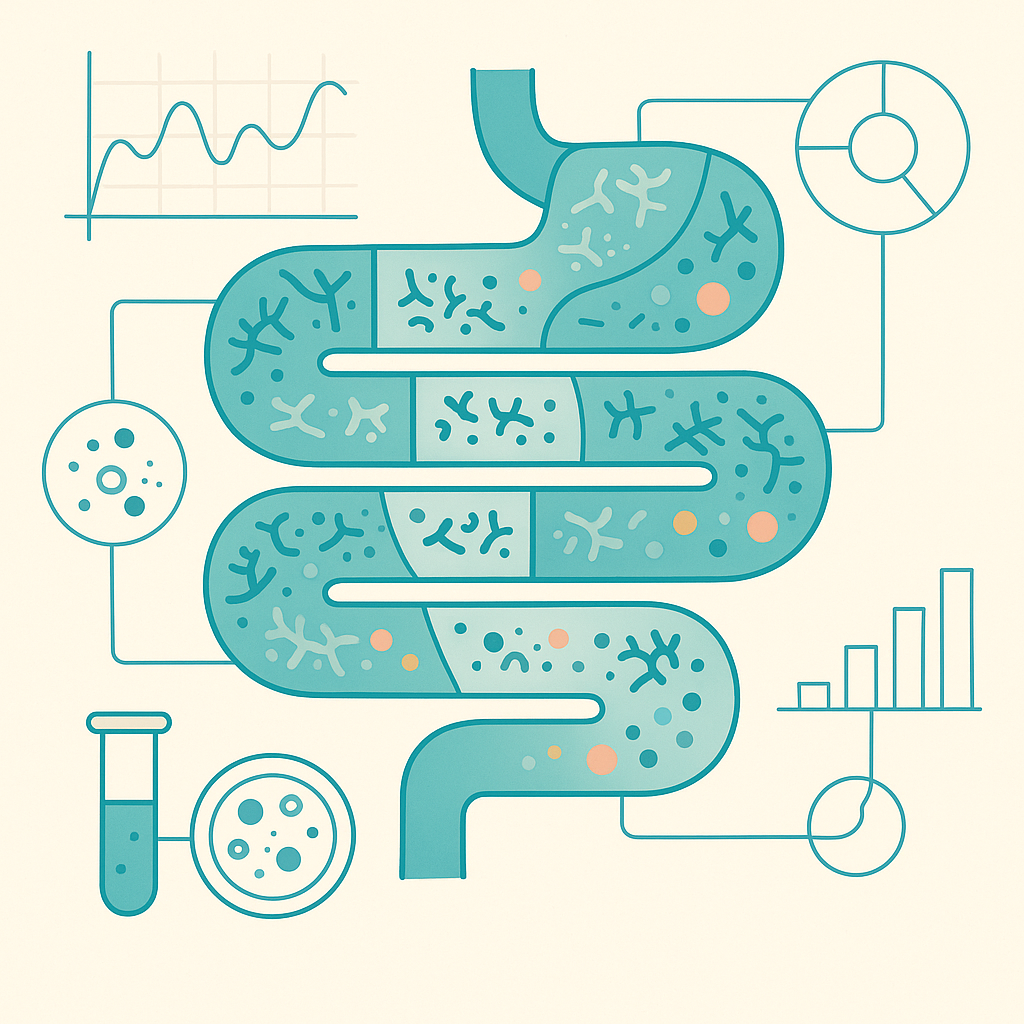
Stool testing examines how your digestive system and microbiome may be quietly draining your energy instead of supporting it.
-
Reviews levels of beneficial, imbalanced, and potentially harmful gut bacteria.
-
Screens for H. pylori and other infections that can stress the immune system.
-
Evaluates markers of intestinal permeability and gut‑driven inflammation.
-
Assesses digestion and absorption to see how well you break down and use nutrients.
-
Helps connect fatigue with symptoms like bloating, IBS‑type issues, or food reactions.
By clarifying what is happening in the gut, this testing can uncover hidden drivers of fatigue such as poor nutrient uptake, chronic immune activation, and persistent low‑grade inflammation.
SPIROMETRY BREATHING TEST
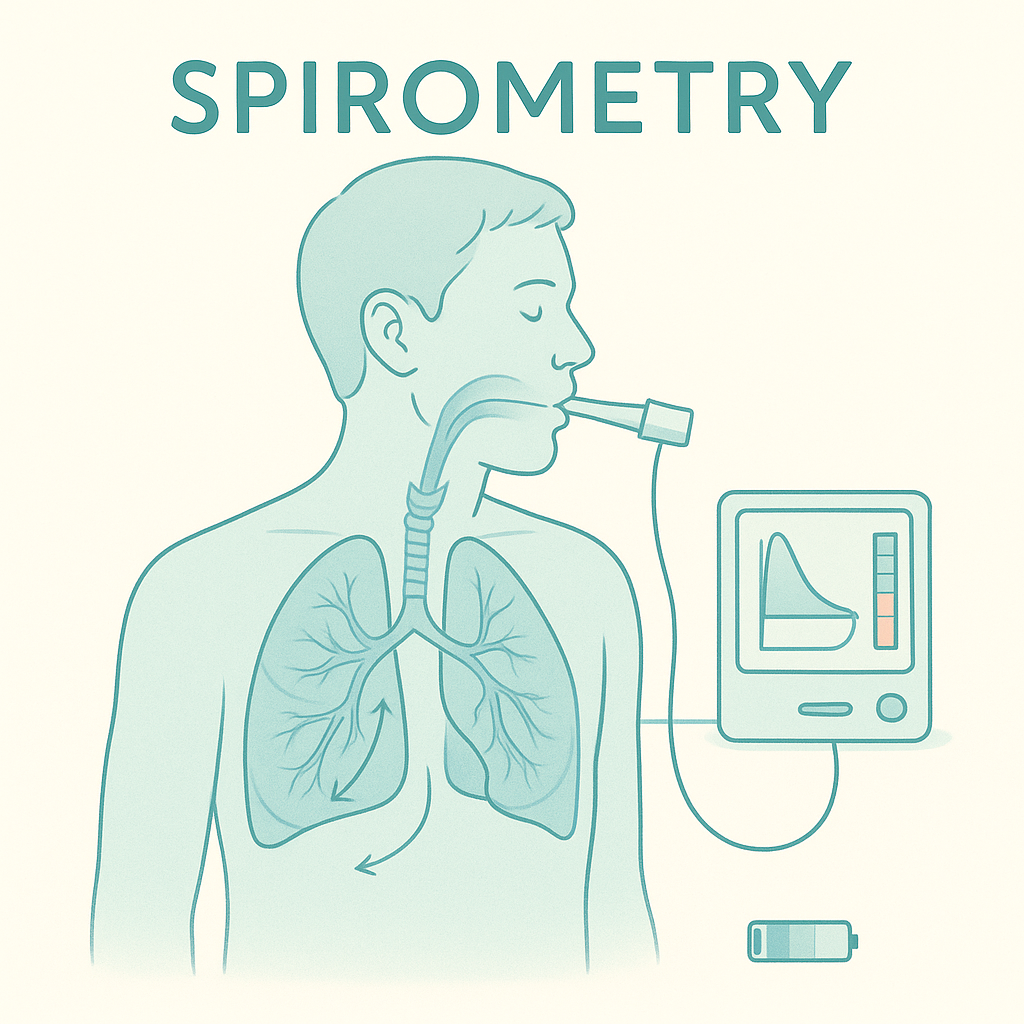
Spirometry is a simple breathing test that measures how well your lungs move air in and out. It is especially helpful when fatigue may be linked to shortness of breath, low stamina, or suspected lung issues.
-
Assesses lung capacity and airflow speed.
-
Helps detect narrowed airways or reduced lung performance.
-
Clarifies whether breathing limits are contributing to exercise intolerance or early fatigue.
Used alongside other testing, spirometry helps determine whether reduced oxygen delivery is part of the reason you feel worn out.
EKG (Electrocardiogram)
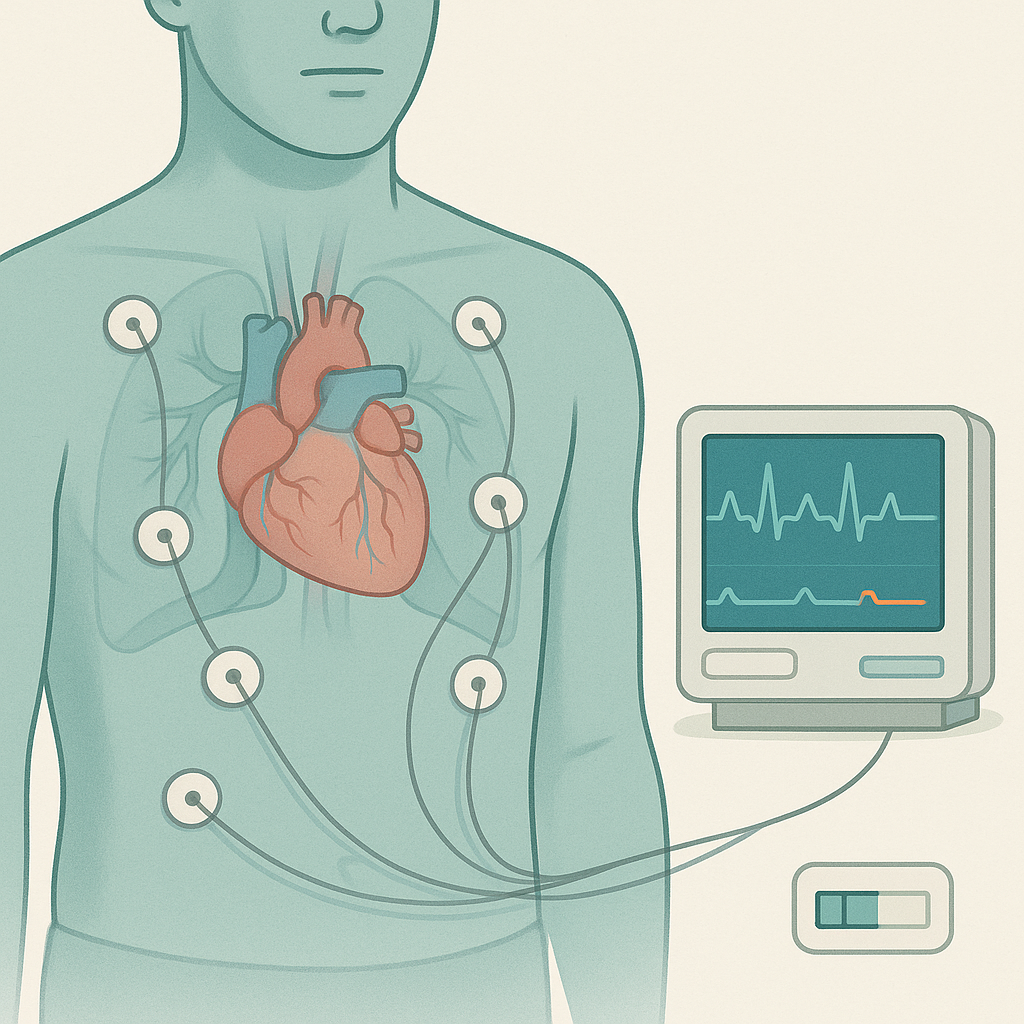
An EKG (electrocardiogram) is a quick, non‑invasive test that records the electrical activity of your heart. It is especially useful when fatigue occurs together with shortness of breath, chest sensations, or limited exercise tolerance.
-
Assesses heart rhythm and electrical conduction.
-
Can reveal arrhythmias, prior injury, or strain on the heart.
-
Helps clarify whether cardiac issues are contributing to low stamina or rapid exhaustion.
Paired with other testing, an EKG helps determine if your heart is part of the reason you feel so tired.
HOW THE PROCESS WORKS
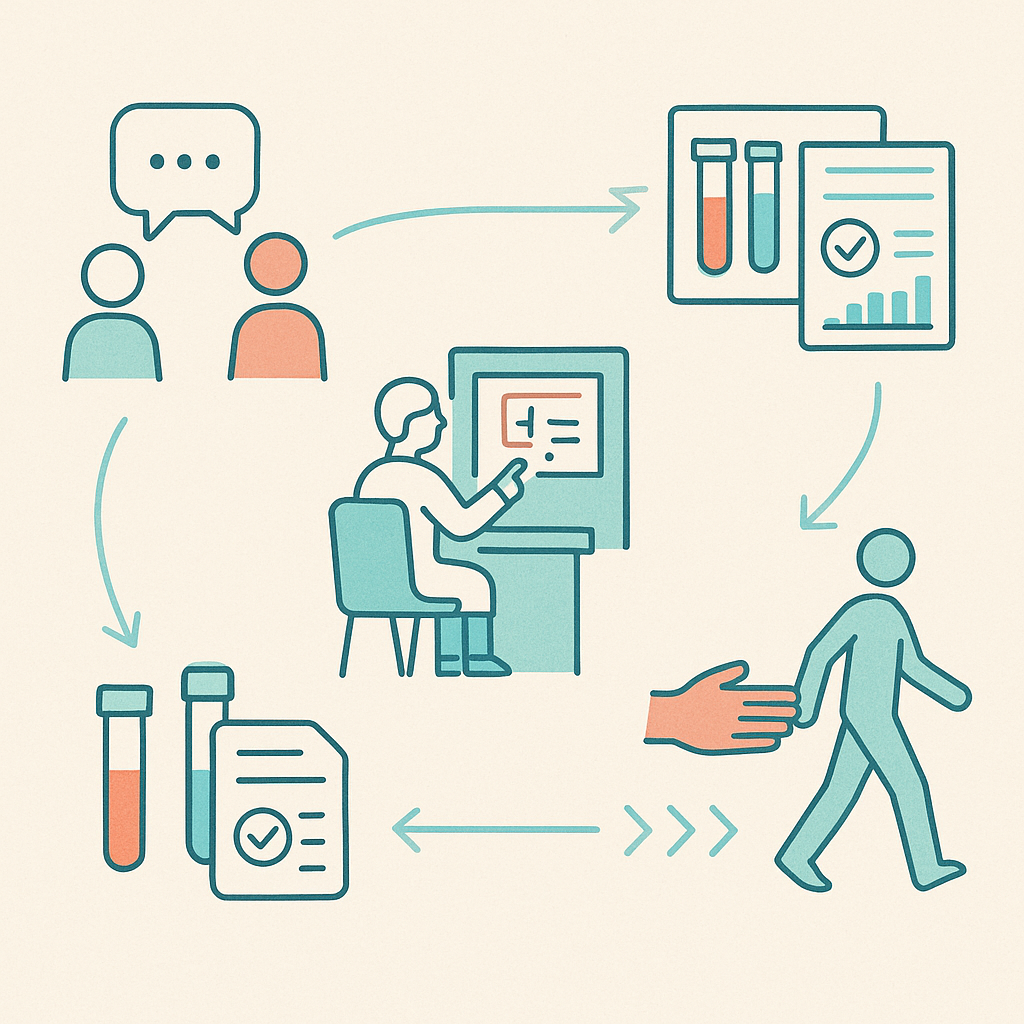
- Discovery call — a free call to review your symptoms, discuss the evaluation process, and confirm whether our approach may be the right fit
- Initial consultation — a clinical review of your symptoms, health history, and relevant prior testing
- Testing — personalized selection of tests from the panel above based on your clinical picture
- Results review — a detailed review of findings with recommended next steps based on what the testing reveals
- Follow-up support — ongoing guidance based on your results and response to any recommendations
Ready to Get Real Answers?
Start with a free discovery call. We'll talk through your situation, explain what testing makes sense, and let you know exactly what to expect.